
Cracks in walls are common in Sydney homes, but some can be an early warning of deeper structural movement.
A minor hairline crack may be harmless. However, widening cracks, recurring repairs, diagonal fractures, stair-step cracking in brickwork, sticking doors or uneven floors can signal a developing problem beneath the surface.
Recognising these warning signs early can prevent avoidable damage, expensive rectification work and prolonged uncertainty.
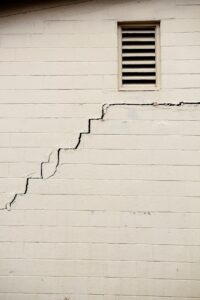
Cracks in Walls: When Should You Worry?
Small hairline cracks in plaster are often caused by shrinkage, seasonal movement or minor settlement. More significant cracking may indicate movement in the footings, walls or supporting structure.
Warning signs that deserve closer attention include:
- Stair-step cracks through brick mortar joints
- Diagonal cracks above windows and doors
- Horizontal fractures through masonry
- Cracks that steadily widen or lengthen
- Doors and windows that suddenly begin sticking
- Sloping, springy or uneven floors
- Separation between walls, ceilings or floors
- Cracks that repeatedly reopen after repair
A single crack does not automatically mean a home is structurally unsafe. However, a combination of cracking, distortion and ongoing movement should not be dismissed.
Structural Crack Patterns to Watch
Stair-Step Cracks in Brickwork
Stair-step cracks travel through the mortar joints between bricks. This distinctive pattern may indicate that one section of the wall or footing has shifted relative to another.
Possible causes include footing settlement, reactive soil movement, leaking drainage or unstable ground beneath the structure.
Diagonal Cracks
Diagonal cracks frequently develop near windows and doors because wall openings create natural stress points.
A fine, stable crack may be superficial. A wider or advancing diagonal crack, particularly when paired with a sticking door or distorted frame, may indicate structural movement.
Horizontal Cracks
Horizontal cracking through masonry or retaining walls can be more complex. It may be associated with lateral soil pressure, wall bowing, reinforcement corrosion, water pressure or inadequate drainage.
These cracks should be assessed carefully, particularly where the wall is bulging, leaning or retaining soil.
Vertical Cracks
Fine vertical cracks can result from shrinkage or movement between different construction materials. Wider vertical cracks, displaced edges or separation at building extensions may indicate differential movement.
Why Crack Width Can Be Misleading
Crack width matters, but it does not reveal the full story.
A narrow crack that is actively growing may be more serious than a wider crack that has remained unchanged for many years. The crack’s location, direction, length, depth and rate of movement are equally important.
A structural engineer also considers whether the crack passes through paint and plaster only or continues into the underlying brickwork, concrete or framing.
The surrounding evidence often provides the clearest clues.
Subtle Signs Your House May Be Moving
Structural movement rarely presents as cracking alone. Other warning signs may include doors that no longer latch, windows that bind, distorted frames, sloping floors or gaps opening around ceilings and skirting boards.
External symptoms may include cracked paving, movement in retaining walls, separation around verandas or gaps between the house and adjoining structures.
Photographs taken at regular intervals can help reveal whether a crack is dormant or continuing to develop.
Common Causes of Wall Cracking in Sydney
Sydney properties are built across highly variable soil and geological conditions. The cause of wall cracking can therefore differ significantly between suburbs and individual sites.
Footing Settlement
Differential settlement occurs when one section of the building foundation moves more than another. This uneven movement can distort walls, floors, windows and door openings.
Settlement may be influenced by soft ground, uncontrolled fill, inadequate founding depth or changes to the building loads.
Reactive Clay Soils
Reactive clay soils expand when wet and shrink as they dry. Uneven moisture conditions around a home can create powerful ground movement beneath the footings.
This movement may become more pronounced during extended wet or dry periods.
Poor Stormwater Drainage
Blocked stormwater pipes, broken downpipes and water ponding beside the house can saturate the soil near the footings.
Persistent moisture can soften the ground, intensify soil movement and contribute to recurring cracking.
Leaking Pipes
Undetected leaks from water, sewer or stormwater pipes can cause localised ground instability. Cracking concentrated near bathrooms, laundries, drainage lines or external taps may justify further plumbing investigation.
Trees and Vegetation
Large trees can alter soil moisture around a building. Their influence depends on the species, size, distance from the house and surrounding soil conditions.
Tree removal can also produce delayed ground movement as soil moisture gradually returns.
Poorly Planned Renovations
Removing walls, enlarging openings or adding another storey changes how structural loads travel through a building.
Where alterations have been completed without suitable beams, posts or footings, cracking and distortion may emerge over time.
What Does a Structural Engineer Inspect?
During a crack inspection, the structural engineer assesses the crack pattern, surrounding structure and broader site conditions.
The inspection may include walls, ceilings, floors, doors, windows, foundations, retaining walls, roof framing, subfloor supports and external paving.
Drainage conditions, nearby trees, plumbing concerns and previous renovations may also be reviewed.
The goal is to determine whether the cracking appears cosmetic, related to normal building movement or associated with a more significant structural defect.
What Is Included in a Structural Report?
A written structural report may include photographs, crack measurements, observed movement signs, likely causes and an assessment of structural significance.
The report may also provide clear recommendations for monitoring, repair or further investigation.
Depending on the findings, additional work may include a floor-level survey, geotechnical investigation, plumbing inspection, stormwater assessment or detailed rectification design.
Concerned About Cracking or Movement?
Cracks can be unsettling, particularly when they continue to grow or reappear after repair.
📞 Contact us today to discuss your project and get a tailored quote.
Strive Engineering Case Study
Strive Engineering was engaged to inspect cracking within a Sydney residential property. The inspection identified internal wall cracking of up to approximately 6 mm and external masonry cracking of up to approximately 4 mm.
The cracking was considered together with moisture concerns and movement affecting external areas. The observed defects were consistent with building movement and differential settlement rather than minor surface shrinkage alone.
Recommendations included monitoring the cracks, improving moisture management and drainage conditions, repairing defective areas and carrying out further assessment of the affected footings and retaining structures.
This case showed why simply filling and repainting cracks may not provide a long-term solution. The underlying cause should be identified before cosmetic repairs are completed.
Why Choose Strive Engineering?
Strive Engineering provides structural inspections and reports for residential and small commercial properties across the Sutherland Shire and greater Sydney.
Our services include:
- Clear and competitive quotations
- Detailed structural inspections
- Practical, easy-to-understand reports
- Fast turnaround times
- Advice for homeowners, builders and property professionals
- Recommendations focused on lasting solutions rather than temporary repairs
📞 Contact us today to discuss your project and get a tailored quote.